

New Center
A Beginner Guide to Starting a Scrap Cable Recycling Business
March 7, 2026With the global demand for recycled copper and aluminum continuing to rise, scrap cable recycling has become an attractive opportunity for entrepreneurs and recycling companies. Discarded electrical wires contain valuable metals that can be recovered and resold, creating both environmental and economic benefits. For newcomers entering the industry, understanding the basic steps—from sourcing raw materials to selecting equipment and building sales channels—is essential to establishing a profitable recycling operation.
The first step in building a cable recycling business is securing a stable supply of scrap cables. Common sources include construction sites, electrical contractors, telecommunications companies, demolition projects, and scrap yards. Establishing long-term partnerships with these suppliers ensures a steady flow of materials, which directly affects production capacity and profitability. Different types of cables, such as household wires, automotive wiring harnesses, and industrial power cables, contain varying amounts of copper or aluminum, so understanding the material composition helps estimate potential recovery value.
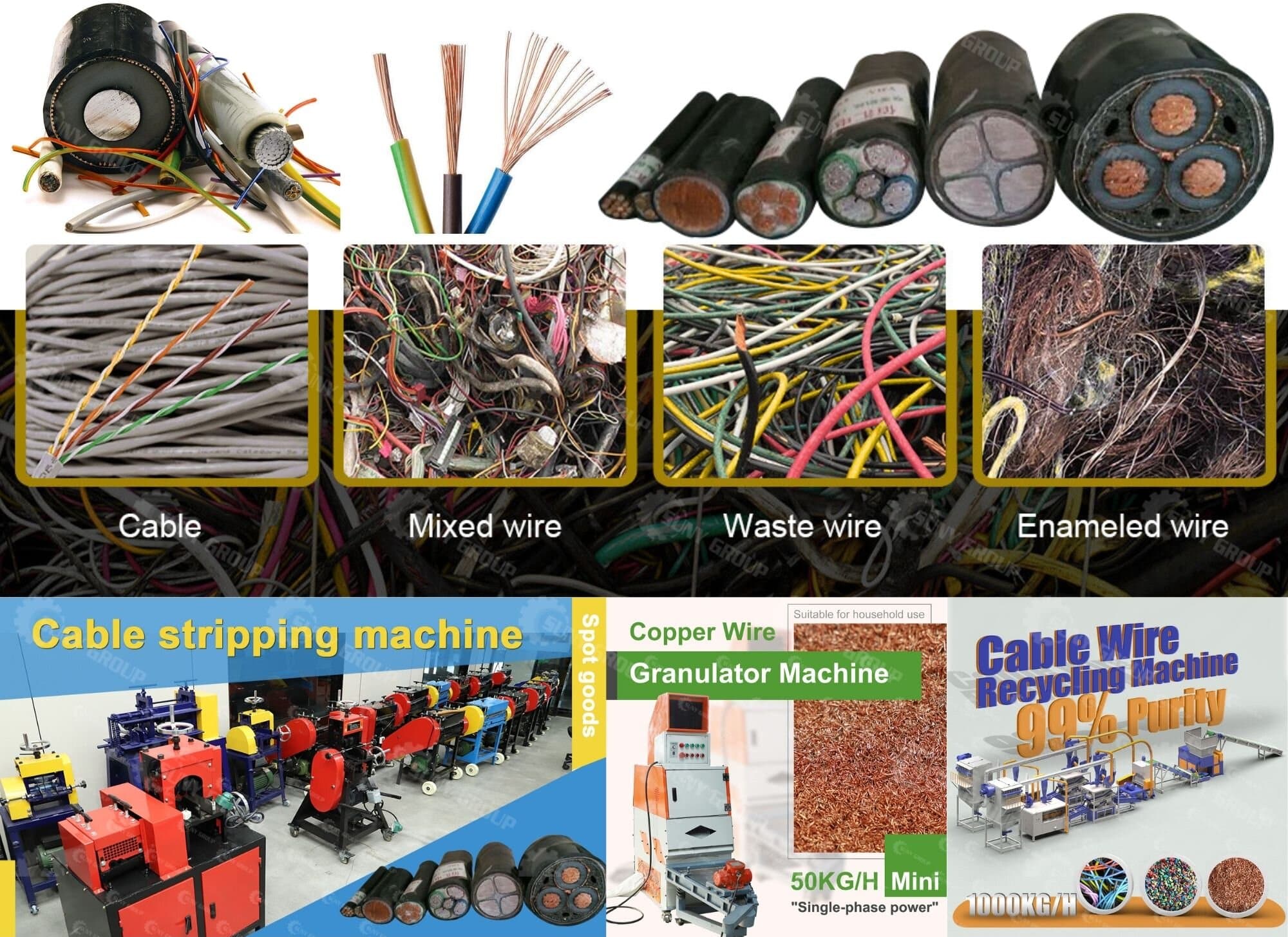
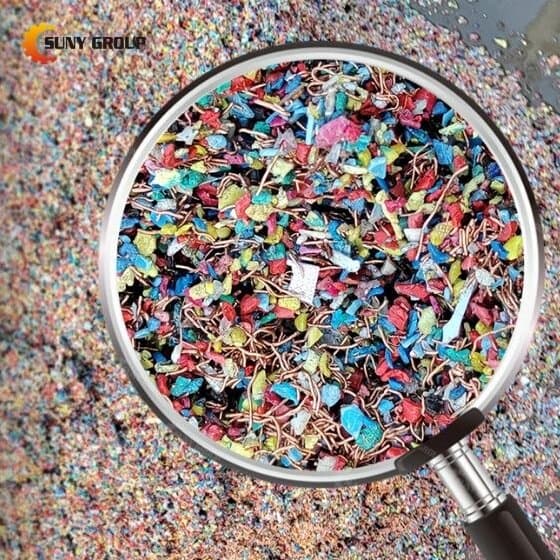
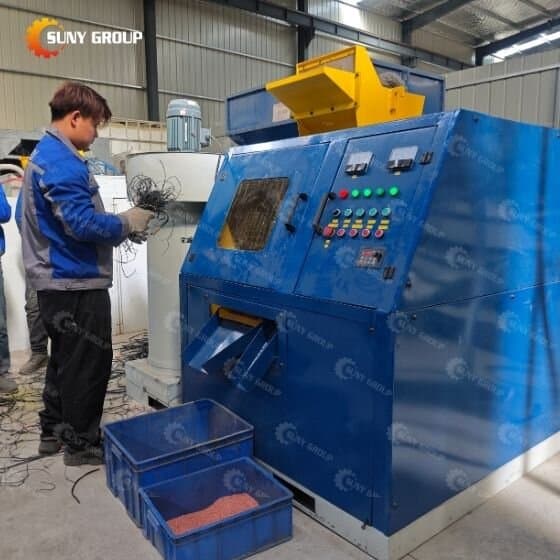
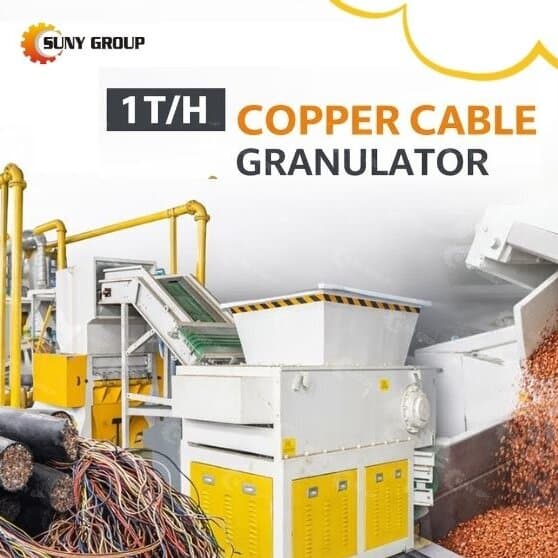
Choosing the right processing equipment is the next important stage. Beginners handling small volumes often start with wire stripping machines or small cable granulators (50-100 kg/hr), which allow copper to be separated from insulation at a relatively low investment cost. As production grows, many recyclers upgrade to automated cable recycling systems that integrate shredding, crushing, air separation, and dust collection. These systems significantly improve processing capacity and produce high-purity copper granules and clean plastic fractions.
After processing, the main source of revenue comes from selling the recovered metals. High-purity copper granules are especially valuable and are widely purchased by copper smelters, metal traders, and secondary metal manufacturers. Establishing stable sales channels helps ensure consistent cash flow and competitive pricing. In addition, separated plastic insulation can also be sold to plastic recycling companies, providing an additional income stream.
Successful cable recycling businesses often begin on a small scale and expand gradually. By starting with basic tools, operators can better understand material flow, recovery rates, and market demand. As supply networks and experience grow, investing in larger automated recycling lines can significantly increase efficiency and profitability. With proper planning and reliable supply chains, scrap cable recycling can develop into a sustainable and scalable business in the global recycling industry.
Contact Tel: +86 199 0388 6476
Contact Email: zyunfei87@gmail.com
Recent Posts

Why Choose Us?
-
Cutting-Edge Technology:
Suny Group leverages state-of-the-art technology, ensuring you benefit from the latest advancements in the industry.
-
Proven Track Record:
With a solid history, we have consistently delivered reliable and high-performance solutions, earning the trust of our clients.
-
Global Standards Compliance:
Our commitment to quality is reflected in our compliance with international standards, providing you with products that meet the highest benchmarks.
-
Reliable Customer Support:
Suny Group is not just a supplier; we are your reliable partner. Benefit from our responsive technical support, comprehensive training services, and dependable maintenance.
Inquiry